
Building New Communities
Over the past ten years, Dr Emma Street and Victor Nicholls have been researching the regeneration of New Town centres. Their work has benefited from Victor’s experience in leading the local authority team that helped to deliver the regeneration of Bracknell town centre, the only post-war New Town to have been substantially regenerated.
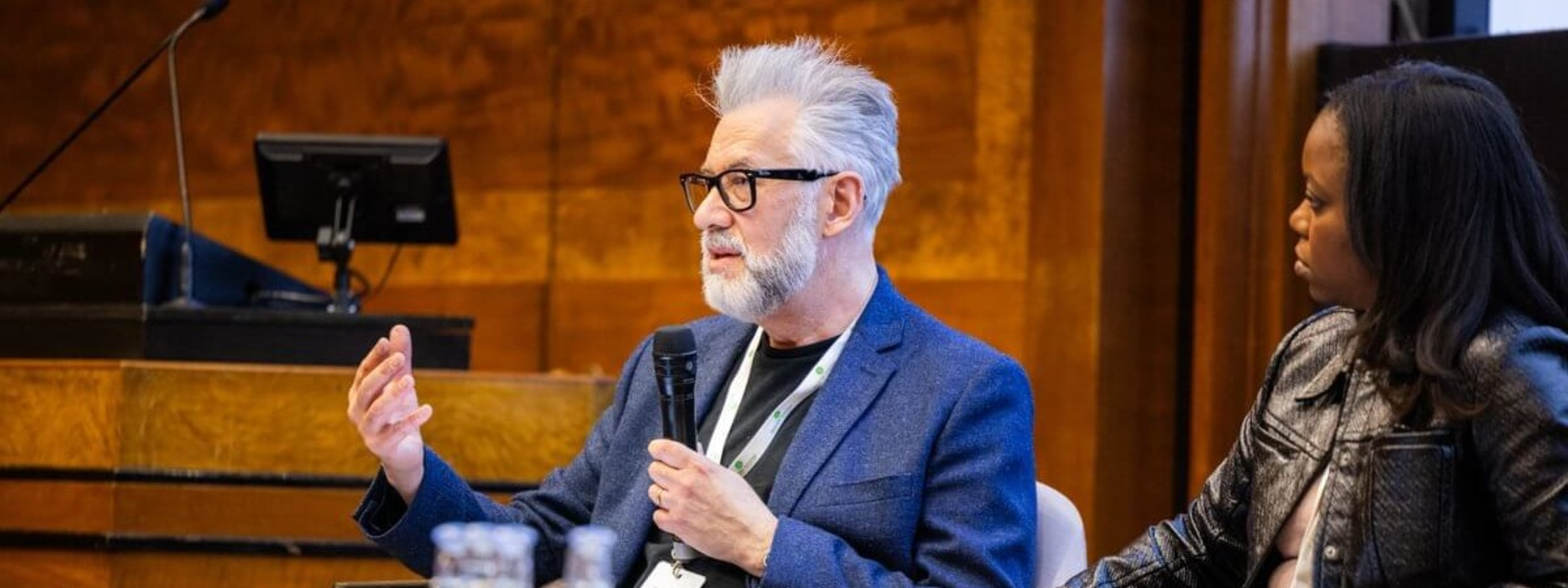
Last week, Victor was invited to contribute to the Building New Communities Conference.at the Royal Institute of British Architects, focusing on the government’s emerging agenda to build a new generation of New Towns.
The conference wanted to know about “how” the new generation of town centres should look. Based on Henley Business School research, it’s clear that success factors include:
Having a vision and working together to deliver it
Community engagement and realistic and open collaboration with landowners, investors and partners in which clearly-defined objectives are established is key. Use a masterplanning process to build consensus and lay the foundations to guide the overall approach to the project.
Placemaking and design
A flexible urban form, delivered in phases, enables a project to weather viability problems including the Global Financial Crisis. Working with residents and others in the catchment will help to shape the architectural vocabulary.
Politics and power
In the case of Bracknell’s regeneration, the project benefited from being in a unitary council area rather than having to navigate a ‘two-tier’ setting. The regeneration benefitted from being awarded sustained and committed political priority status. Consensus between the political groups over the masterplan meant that regeneration plans did not become a ‘political football’.
Organisation and leadership
A committed and engaged Chief Executive with an empowered team with the skills, resources and space to focus on delivery is key. Corporate ownership of the project and an organisational structure that gives the authority of the Chief Executive to the project is also important.
Relationships, partnerships and people
Building trust is especially valuable during times of project stress, as is having the right people who are both positive and creative. Formal and informal partnerships mean problems can be solved quickly, while a shared focus on and understanding of the key milestones to be met to deliver the project is critical.
Risk
Management of sometimes considerable risk through strong and committed political support is fundamental. Trust and partnerships can oil the wheels here too.
Viability
Issues of viability frequently become the biggest challenge to the project. Yet they can be overcome through creativity (and substantial investment) including from the local authority.
Communications and perceptions
A shared approach to project communications is invaluable. Engagement with residents in particular is vital although liaising with other stakeholders such as other local authorities is also important.
Planning issues
The planning process can help to build confidence and develop a consensus for a set of shared objectives. An engaged, positive planning team which adopts a flexible approach to finding creative solutions to the project challenges is key.
A published vision
An agreed vision that sets out the preferred future, based on local priorities, plenty of engagement and commercial good sense is vitally important. Realism is also key; there needs to be a shared sense of the art of the possible. Communication is also critical; keeping the community and other stakeholders informed of progress is essential. Flexibility should be built in as far as possible so that the project can respond, especially at times of crisis.
The full story of Bracknell’s regeneration together with how it has performed post-opening, are set out in two Henley business school reports:
A third report looking into community perceptions of Bracknell’s regeneration is due to be published in the Summer.