MapAid: Some life.
Notes from a hybrid business person & aid worker: Chapter 1
Some life.
Well, do you ever get lost ? I do, too often. In May 1994 I was on a hillside in Bosnia, working as an emergency water engineer, with some exceptional and brave people that I shall never forget. One day, chatting with a fellow engineer on our VHF radios, and trying to establish literally where on earth we were coming from, we came to the simultaneous rather nervous conclusion, neither of us had a clue. And this, despite being near the front lines where the fighting was happening. Fortunately, we had our Bosnian translators to guide us.
My journey through life sometimes seems to be a pendulum, between helping others and being helped by them, but at that moment on the hillside, it occurred that what was needed were maps for people involved in humanitarian work, especially water and sanitation, so help could flow better. It was a pivotal moment because, in earlier missions in other countries, the same niggle had arisen. Once in Iraq, a map had disappeared, while drying on a hedge outside my tent. In Kosovo after the war, I mistakenly drove through a toe of Serbia, on the basis of another aid worker's well-meaning but duff verbal directions. And on other missions “at other gin joints” and meetings between aid workers, I’d seen frustrations boil over, when X, Y and Z were unable to talk coherently, and peacefully divide up who would do what, where, and when.
By 2003, it became apparent that maps could also be used to help identify long-term poverty spots and not just rapid-onset emergencies. Poverty zones are where stuff can get done, which helps improve hope through self-reliance and small business, and where it absolutely helps to have local knowledge that is accurate. Global MapAid was founded that year, towards the end of my fellowship at Stanford University, on the Reuters Digital Vision Programme. Global MapAid, or simply MapAid, is dedicated to mapping that helps avert social unrest, which often results from factors such as unemployment or under-employment, coupled with huge discrepancies between rich and poor.
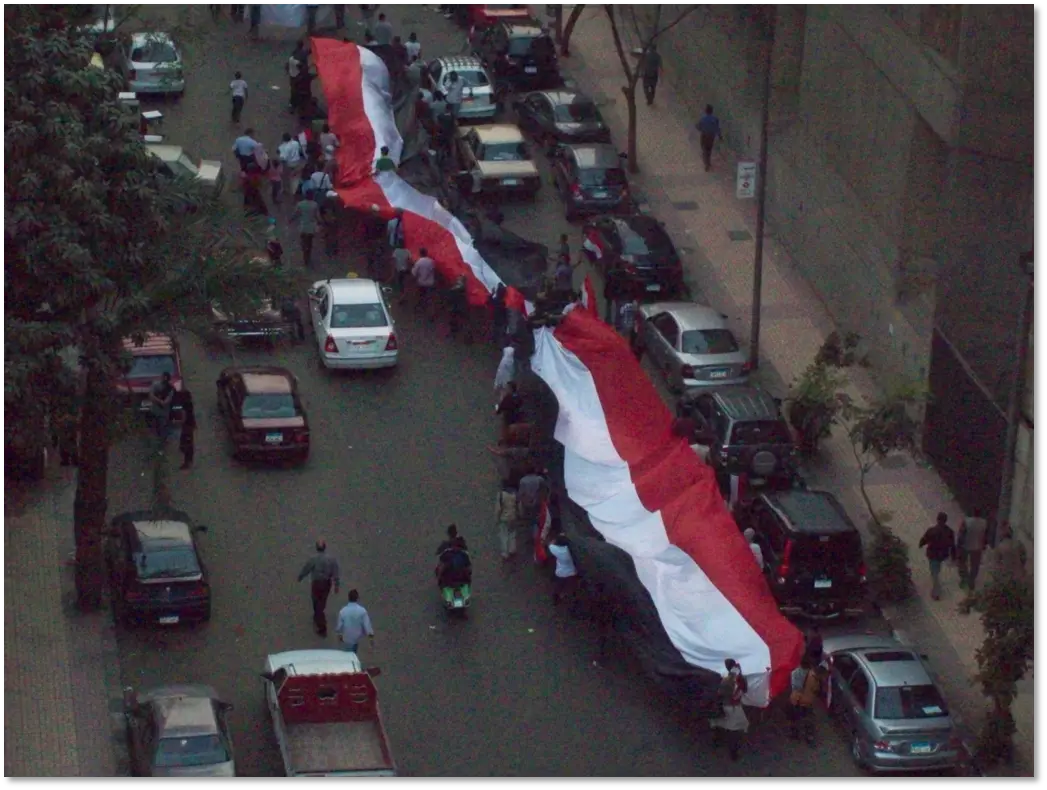
In 2011, at the height of the Arab Spring, I went to Egypt to see if there were possibilities for MapAid. And while I wrote my Henley MBA application from the seventh floor of a hostel overlooking Tahrir Square, I could see and empathise with frustrated youth who were marching below, and who did not have jobs, and with some justification, were highly agitated.
When I came to Henley Business School, for my MBA assessment, Professor Keith Heron asked why I wanted the MBA. I said it was to better understand how the business world worked. Eventually, I ended up doing my thesis on the key drivers that underpin sustainable small business, similar in tone to the Grameen Bank model, from Bangladesh.
The journey continues today, with Professor Heron generously volunteering some of his time for MapAid, in terms of mentoring support for our work in Ethiopia. MapAid is researching and developing an application, with some international university partners, for an AI system, for shallow groundwater detection and mapping. We have a prototype. However, when it is fully working the intention is to use it to help inform donors and aid agencies, and of course small farmers, about where they can dig sustainable shallow wells.
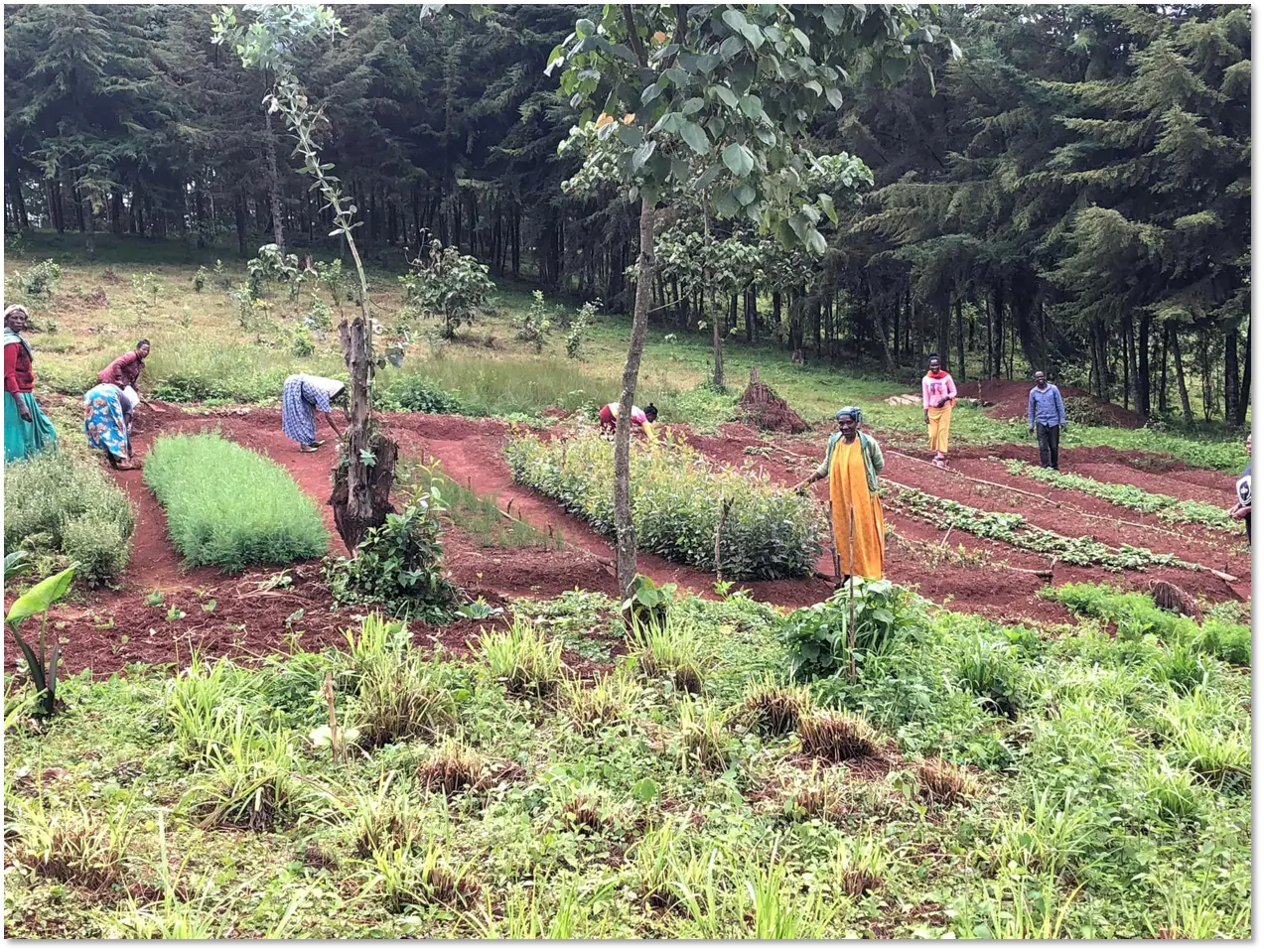
Currently, in the Horn of Africa, 22 million people are threatened by drought caused by climate change but where shallow groundwater can be detected it is possible for small farmers to double the crop yields and also prevent hours of walking each day lugging water cans. This will liberate women and children who can then study or spend more time looking after their homes, cooking more food, or enjoying a bit of leisure time.
Final thoughts. It seems to me that sometimes in life, it’s wonderful to become lost searching in dreams, while at other times it’s better to be finding one’s way by the facts. And of course, someone once promised, "seek and ye shall find" and I find this idea most compelling as well.
Follow Rupert's story of how he founded MapAid, how he grew the idea, and what their solutions are for today's issues in this content series.
To learn more about MapAid, visit their website at the button below: