
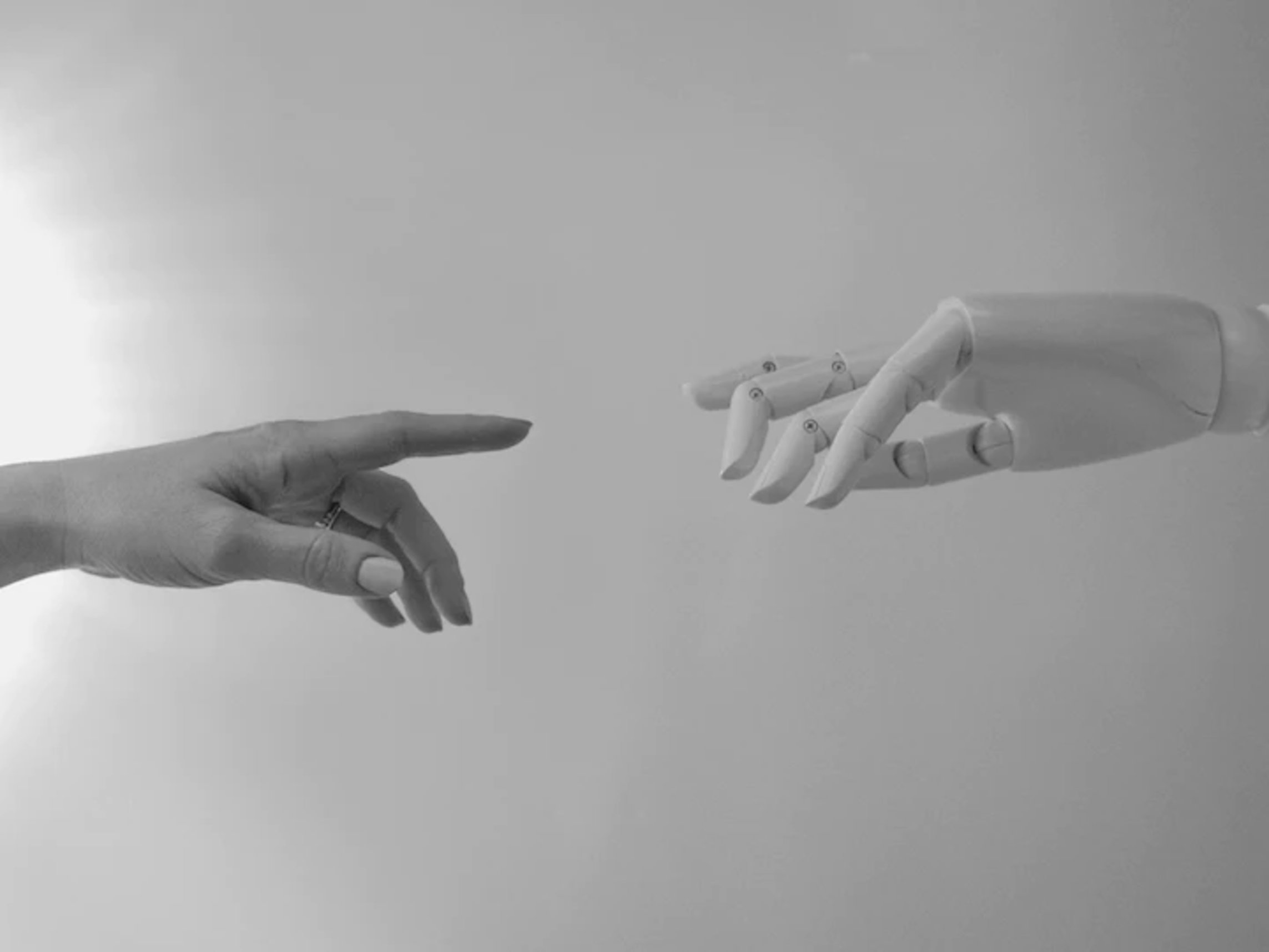
AI in marketing - a useful tool?
Creative AI may at first be greeted with scepticism by marketers, but Dr Rodrigo Perez-Vega looks at how emerging technologies can be used to revolutionise marketing and communications.
Artificial Intelligence (AI) applications have changed how marketers perform many of their jobs, from running paid search campaigns to running multivariate testing on owned media to discover the most optimal configuration for their websites. Many marketing professionals argue this impact has been mainly positive, allowing marketers to enhance the results they provide to the companies that hire them to deliver on business objectives. However, for many years, AI-enabled systems still had some limitations in performing more creative tasks, yet recent applications of AI around creative expression have shown that these limitations are being quickly overcome. As one would imagine, this advancement has the potential to revolutionise the marketing and creative industries, but it also raises concerns about the future of these professions.
One of the critical developments in creative AI is machines' ability to generate original content. For instance, AI algorithms can now create original artwork and visual content (e.g. Artssy), music (e.g. Jukebox from Open AI), and even short to long stories (e.g. Chat GPT). This can significantly enhance the capabilities of marketers and creatives, allowing them to produce more engaging and dynamic content for their campaigns.
However, the rise of creative AI also poses a threat to the job market. As machines become increasingly capable of generating high-quality content, there is a risk that machines will replace human professionals. This could lead to widespread unemployment and disruption in the marketing and creative industries. It is important to note that whenever new technologies have entered the market, similar fears have also appeared (e.g. headlines during the industrial revolution communicated similar concerns as the ones we are seeing now with the advancements in AI). These advancements will likely change the nature of some of the work that people do, and it might make some roles obsolete in a couple of years.