
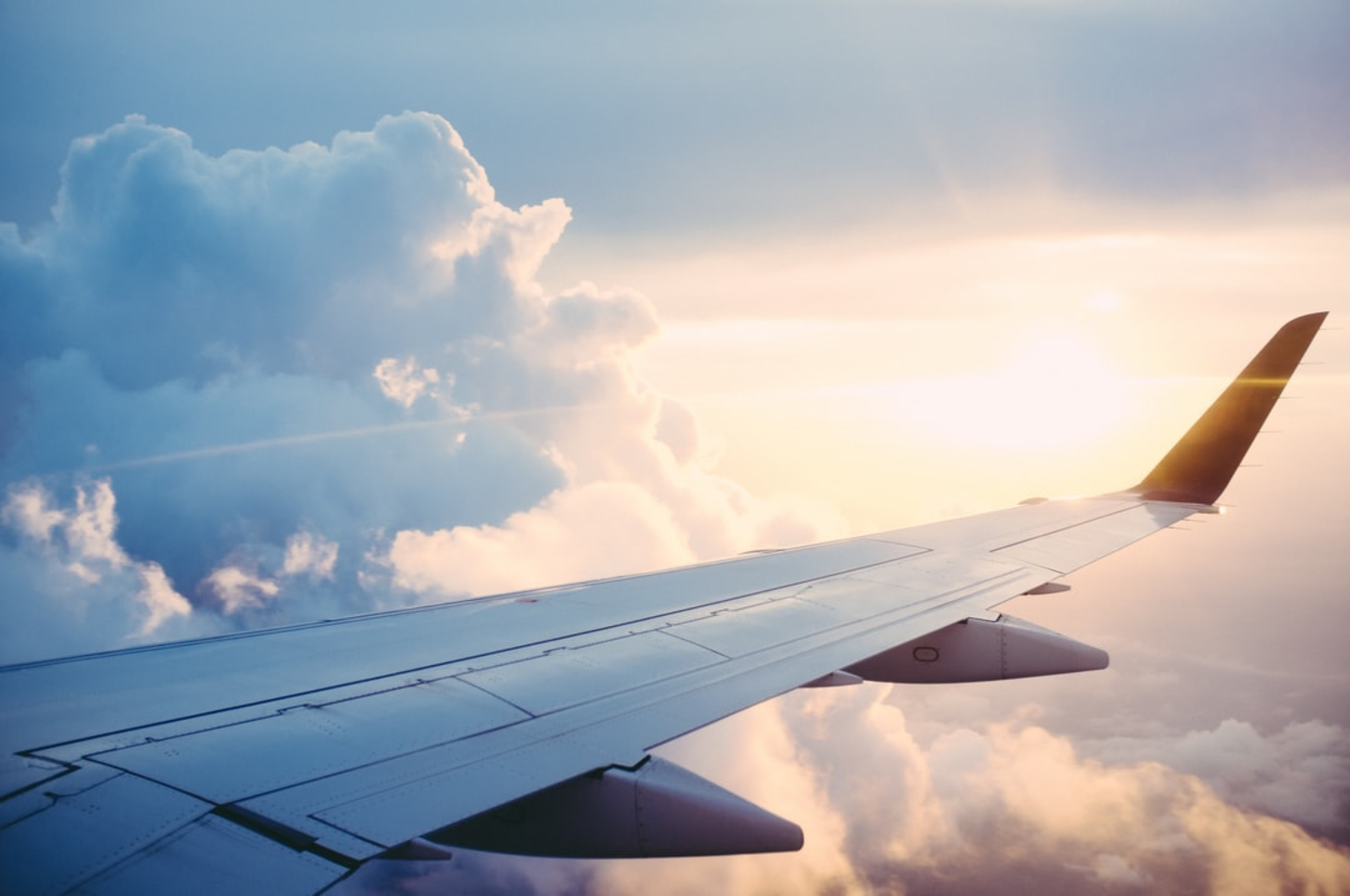
Tackling Turbulence
Most of us will have experienced some sort of turbulence when flying – fortunately, it’s usually just a few annoying bumps, but on occasion it can create severe movement which can momentarily throw an aircraft out of control or even cause structural damage.
So, what is turbulence and why does it occur?
Turbulence is defined as an irregular motion resulting from whirls of air and vertical currents. Rough air occurs all around us – at ground level to way above cruising altitude – however the most frequent turbulence experienced by flyers has three main causes: mountains, jet streams and storms.
Research led by Paul Williams, Professor of Atmospheric Science at the University, has revealed that turbulence is increasing across the globe due to climate change, causing aircraft to burn more fuel and produce more emissions. This week, Professor Williams speaks to CONNECTED about how he is working with the aviation sector to find more sustainable ways to fly.
From postdoctoral researcher to world-leading atmospheric scientist, Professor Williams has been at the University since 2003.
“I was only supposed to stay here for three years on a contract, but I have been here ever since, which speaks volumes about what Reading means to me. The quality of our students, the high calibre of our faculty and support staff, and our beautiful green campus are just a few of the things that keep me at the University"
Professor Williams’ current research projects include investigating how to make better forecasts of turbulence for the aviation sector, and calculating how much worse turbulence is going to become because of global warming.