

REP Research Roundup: March 2025
Department on LinkedIn
The Department of Real Estate and Planning is now on LinkedIn!. To keep up with the amazing work we do please follow us on LinkedIn.
Student Activities
LandAid sleepout-
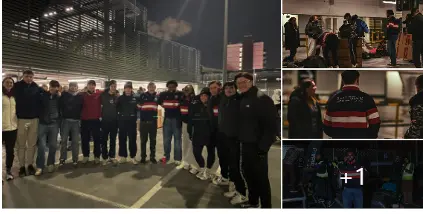
On the 27th of February, a group of students from all years and programmes including those in the Reading Real Estate Society members joined in the London LandAid sleepout. Students were able to raise £5,500 contributing to help fight youth homeless by providing shelter and support to young peopl
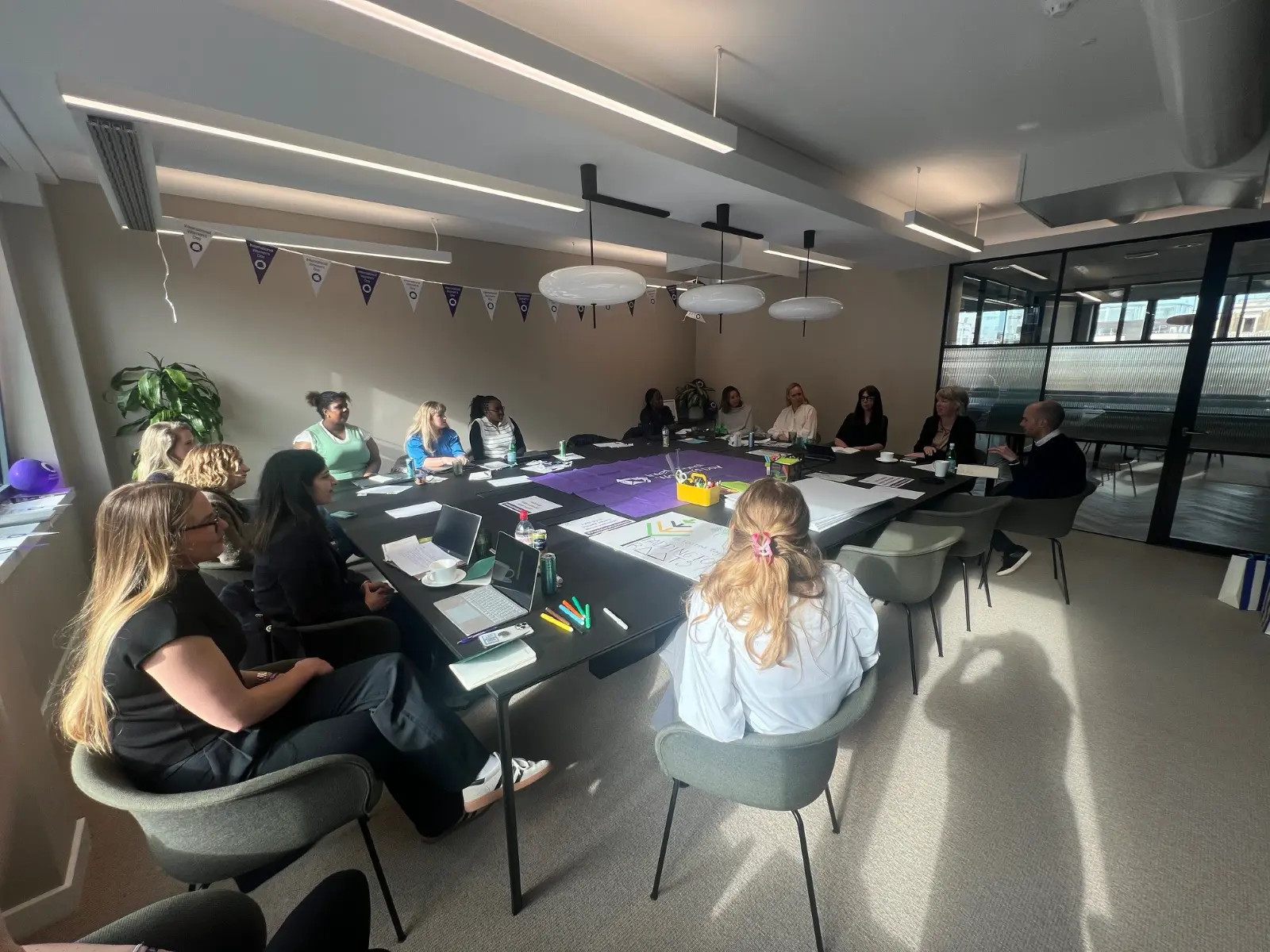
Workshop at Helical for International Women’s Day
Real Estate and Planning students participated in a workshop at Helical on Friday, March 7th in commemoration of International Women’s Day. Thanks to our Careers Consultant, Jane Batchelor and Victoria Shilling and Laura Beaumont, Head of Sustainability at Helical, for organizing this and all the staff involved in providing an insight day for the students including from our alumni Sue Clayton.
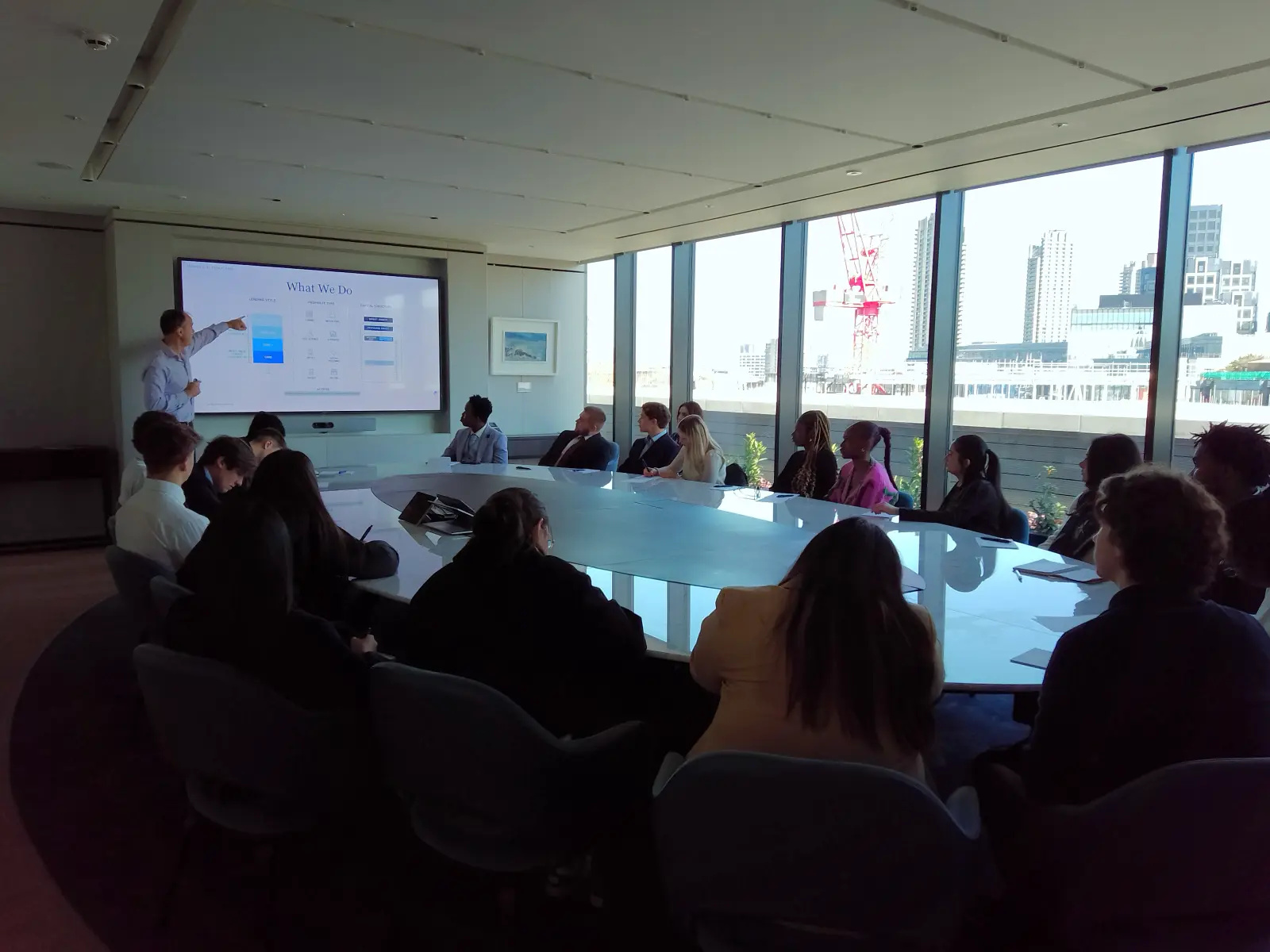
Barings London HQ Visit
Twenty BSc Real Estate / Real Estate Finance students were able to visit the impressive Barings London HQ opposite the Old Bailey. The students had the chance to hear from Chris Bates, Managing Director Real Estate Debt Origination as well as Nick Pink, Managing Director Head of European Equity, alumni from the department, both sharing their insight, experience and advice to the cohort. They also had the chance to chat to Shwan Rasoul and Miles Kemp recent joiners to Barings about their experiences. A big thanks to Oliver Vickers from Barrings and Jane Batchelor from Real Estate and Planning for organizing this.
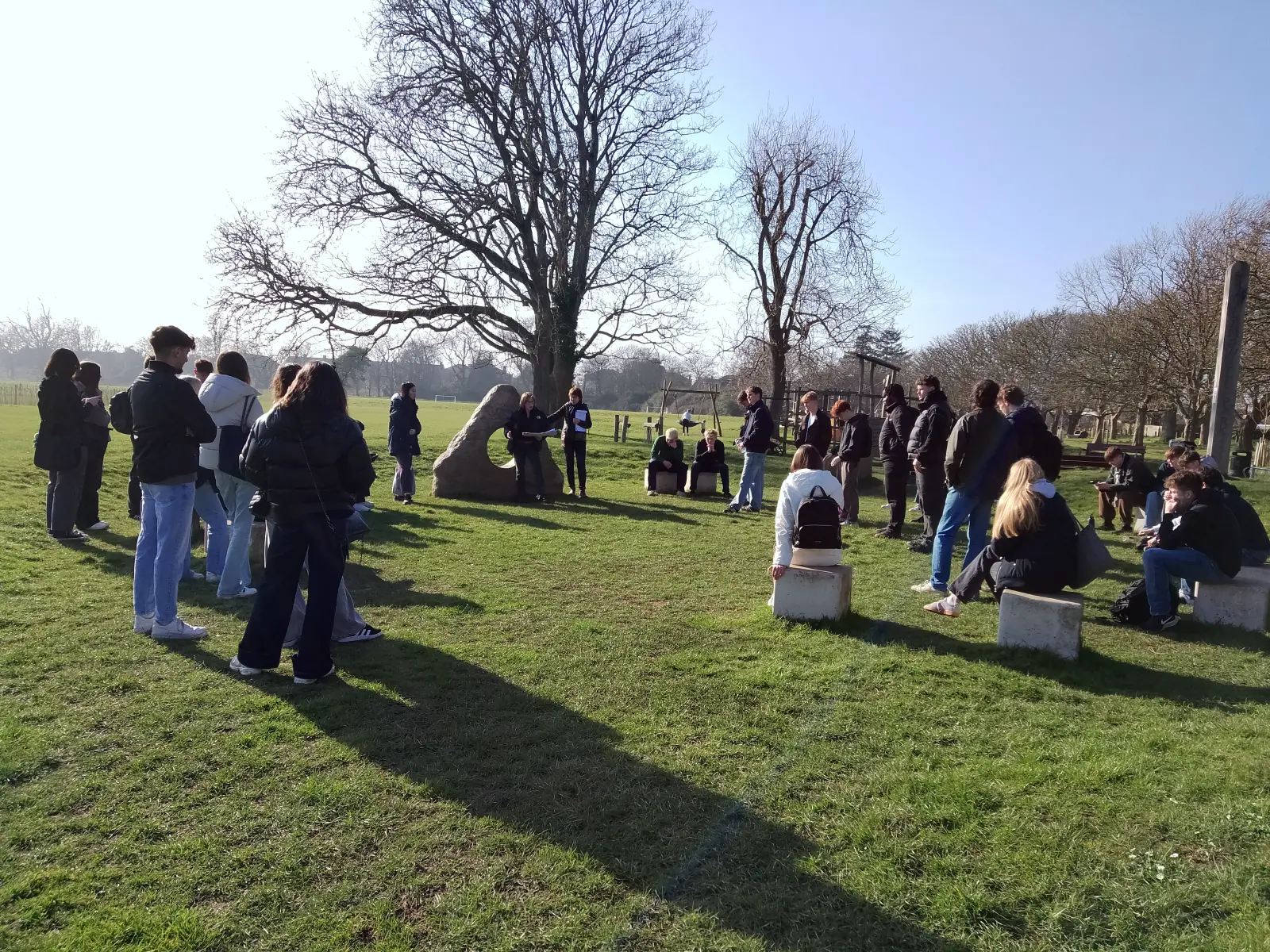
Fieldtrip to Chichester Community Development Trust
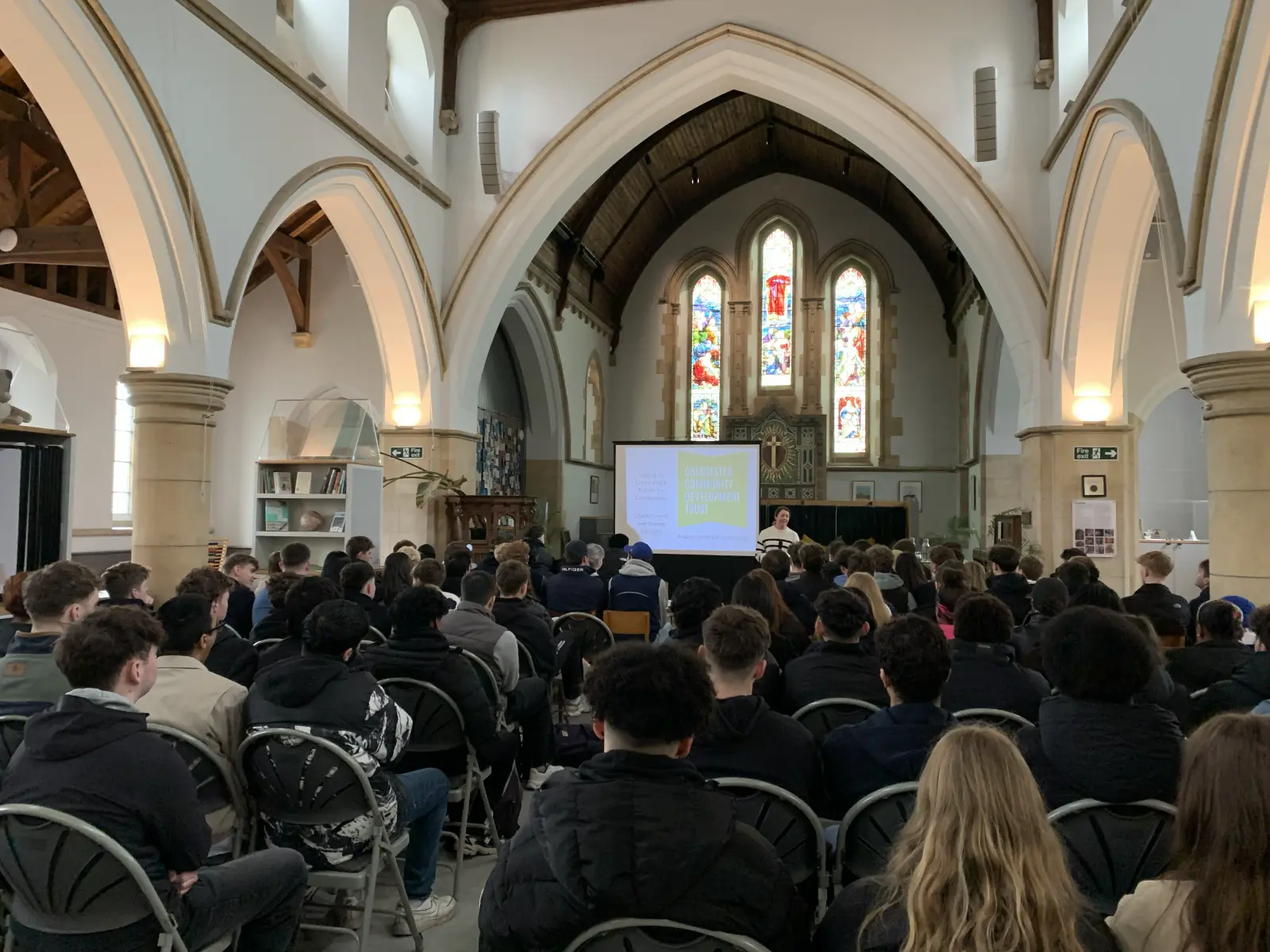
Undergraduate students from Real Estate and Planning were on a fieldtrip to the Chichester Community Development Trust in Graylingwell. Hosted by the Trust, the students received a warm welcome and an introduction to the site, where they learned about the community's exemplary management of communal buildings and real estate assets, guided by high social and environmental values. During the visit, students explored several key features of the Chichester Community Land Trust, including:
-
Graylingwell Chapel: A beautifully restored community hub and home to an archive preserving the site's rich history.
-
The Pavilion: A versatile space used for various community events and wellness activities.
-
The Water Tower: An iconic landmark that serves as the central office for the Trust
This field trip provided valuable insights into sustainable community development and the impactful work being done at Graylingwell. We extend our heartfelt thanks to the Chichester Community Development Trust for their hospitality and for sharing their inspiring initiatives with our students. Many thanks to Claudia Murray for leading the trip and Angela Cropley; Henry Russell; Gavin Parker; JingHeng Huan; Jiarong Li and Jane Batchelor for facilitating the fieldtrip.
Fieldtrip to London
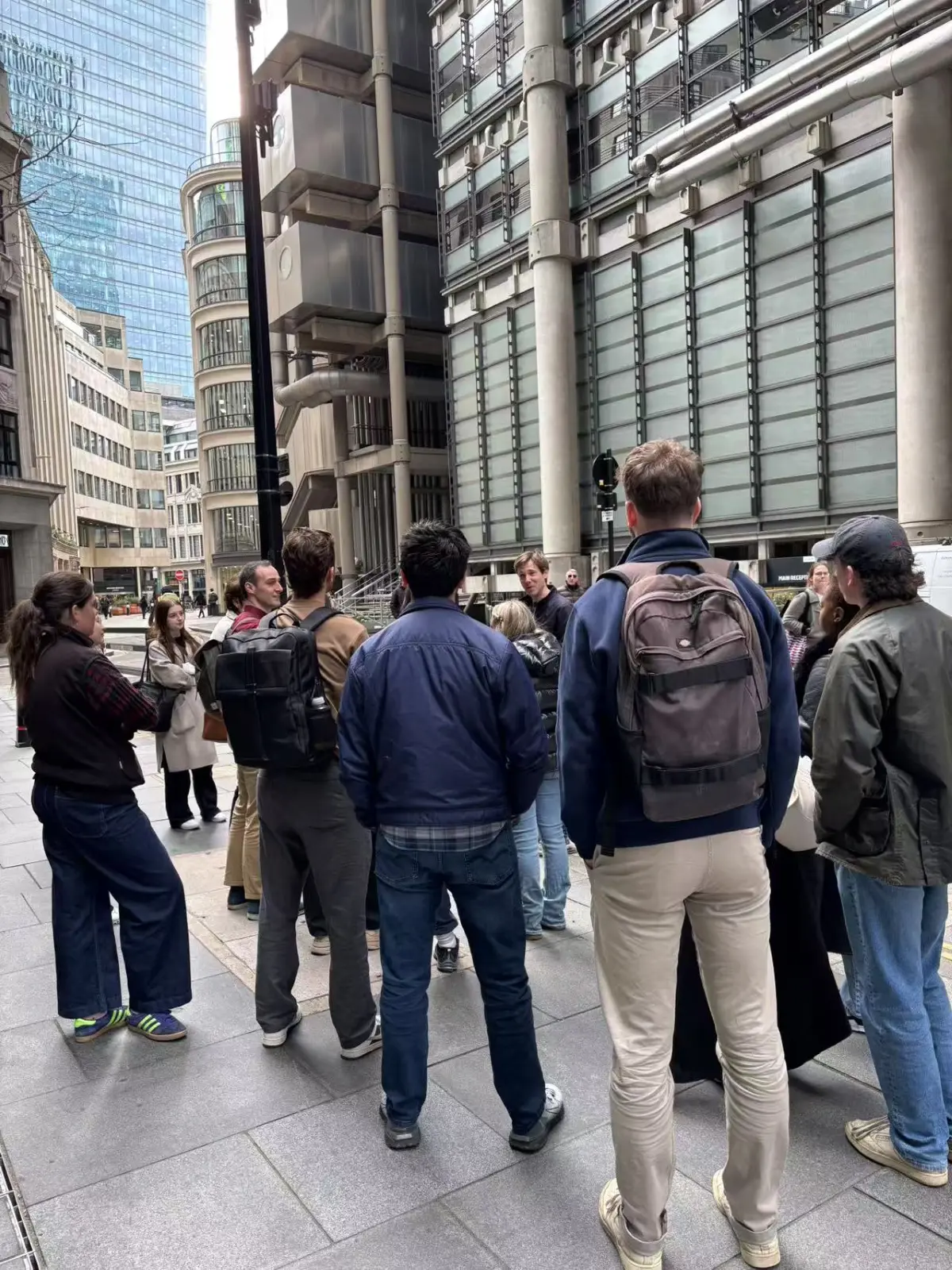
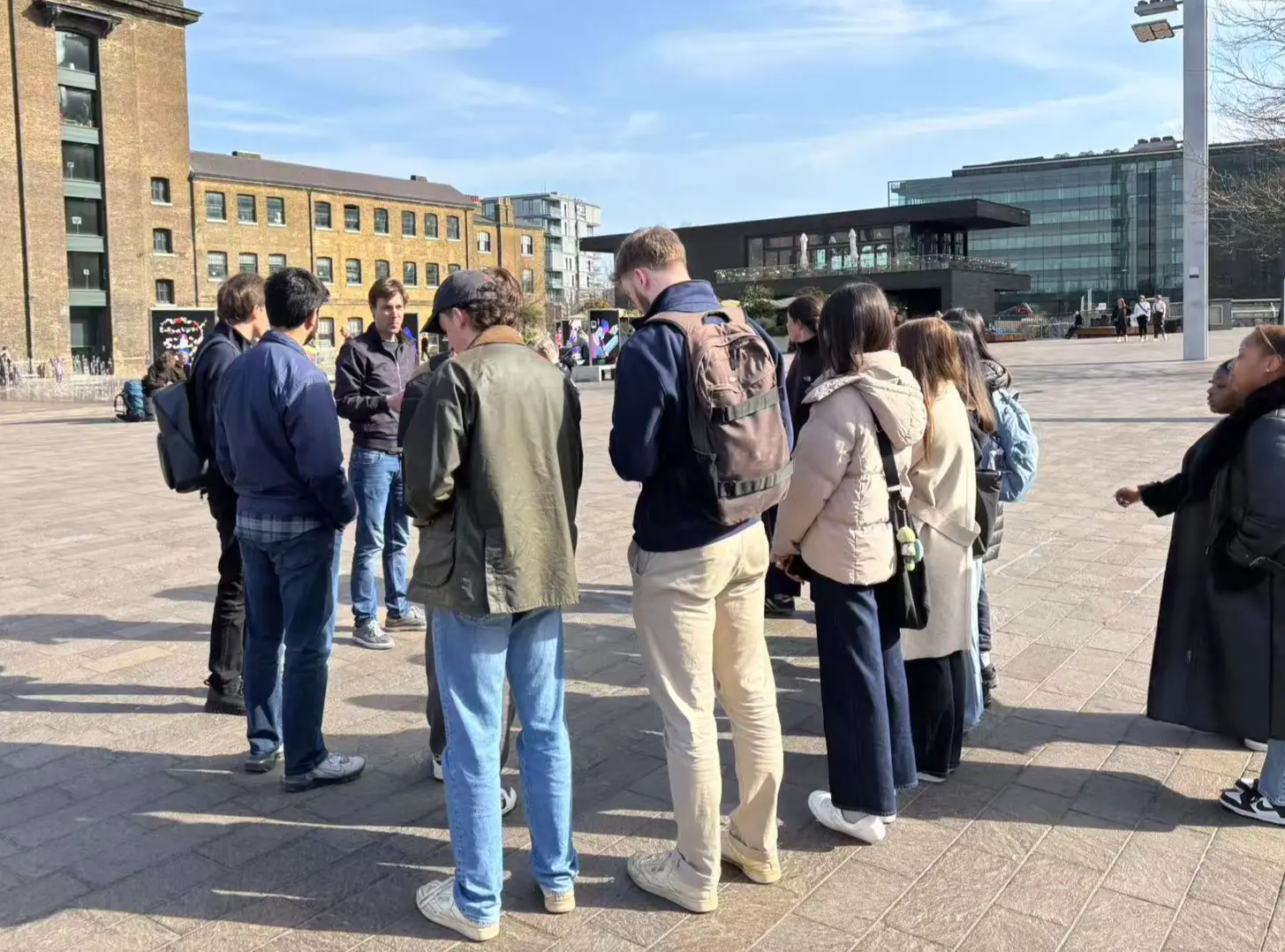
On 7 March, first-year undergraduate students and staff were on a field trip to London as part of their Real Estate Valuation module to see real-life developments of relevance across the programme. They visited the King's Cross redevelopment project and were introduced to the successful urban transformation from a once derelict area into a vibrant new part. They also viewed the City of London Model and exhibition at Guildhall Library and the iconic London skyline, followed by a walking tour of the City of London main office area. The fieldtrip ended at Battersea Power Station redevelopment area, where they discussed renovating existing properties and the Northern Line extension for urban redevelopment. During the trip, REP faculty members shared their experience and expertise in real estate valuation, development, and planning regulations. Many thanks to Xiaolun Yu for leading the trip and staff members Angela Cropley, Christopher Maidment, Jiarong Li, Jorn van de Wetering and Pin-Te Lin for facilitating the trip.
Research New
Impact Updates
The report Design Codes for Health and Wellbeing has been released. The report was developed in partnership between Quality of Life Foundation, Tibbalds, TCPA (Town and Country Planning Association), TRUUD (Tackling Root Causes Upstream of Unhealthy Urban Development) and Henley Business School. Prof. Kathy Pain from the Department of Real Estate and Planning was involved. The report provides practical advice for embedding health and wellbeing into the design coding process, ensuring that places support healthier lives for everyone. A webinar on the topic will be run on the 25th of March. For more information and to register see here.
Bids awarded – External Funding
Yiquan Gu
-
Funder: British Academy
-
Title: Innovation Fellowships 2024-25 – Route B: Policy-led (Digital Society)
-
Total project costs: £119,717
Pin-Te Lin and Yuan Zhao
-
Funder: European Public Real Estate Association
-
Title: Listed Real Estate for Institutional Investors
-
Total project costs: £16,413
Pin-Te Lin
-
Funder: British Academy Small Grant
-
Title: Understanding the Nature of Housing Markets
-
Total project costs: £ 4,871
Bids submitted (External)
Lukas Makovsky
-
Funder: Horizon Europe
-
Title: Supporting Governance Decisions-Making With Health Impact Assessments For Environmental Pollution (Superhero)
-
Total project costs: £71,863
Publications
Barzotto, M. , Corradini, C. and Labory, S. (2025) Shuffling the deck? Multiple transitions and the new spatiality of places and workspaces in the polycrisis post-COVID economy. Regional Studies.
Abstract
This research engages in a critical discussion of regional policies in the context of fundamental shifts in the spatial relationships between places and workplaces following the COVID-19 crisis. Focusing on the case of major advanced economies to illustrate its arguments, the analysis starts from a review of the heterogeneous dynamics defined by multiple regional transitions in a context of polycrisis. Then, it assesses opportunities and challenges for tackling regional imbalances and re-building resiliently and sustainably by combining insights on the shifting nature in the spatiality of workplaces with a holistic perspective on cross-domain policy intervention(s) bridging regional industrial, skills, and social policies.
Corradini, C. Morris, D. and Vanino, E. (2025) Marshallian agglomeration, labour pooling and skills matching. Cambridge Journal of Economics. ISSN 1464-3545 (In Press)
ID: 120867
Abstract
Better skills matching has long been proposed as one of the key advantages of agglomeration economies. Yet, support for this improved matching has remained largely founded upon indirect proxies for skills such as wages and education. This paper contributes to the literature by offering novel empirical evidence on the relationship between specific measures of localised skills deficiencies and agglomeration economies, in the form of industrial density. Developing an instrumental variable approach and controlling for unobserved heterogeneity and other region-industry idiosyncratic effects across a panel dataset for the period 2009-2019 in England and Wales, our analysis reveals a positive effect of agglomeration economies in reducing both skills gaps within the employed workforce and skills shortages in the labour market external to the firm. We consider these findings in the context of persistent regional imbalances and the importance of strengthening skills provision within current regional industrial strategies.
Fong, L. H. N. , Zhang, C. X. and Wang, Z. (2023) Tourist–host identity risk: scale development and consequences. Journal of Travel Research, 62 (7). pp. 1588-1604.
Abstract
Risk perception has been an important construct in understanding tourists’ trip planning. Surprisingly, while tourists’ perceived tourist–host identity risk (THIR) plays an essential role in this process, its effects have been overlooked. Against this backdrop, this study develops a THIR scale and investigates how it shapes the intention of mainland Chinese tourists to revisit Hong Kong, and also investigates the spread of positive word-of-mouth (WoM) by conducting multiple online surveys with mainlanders. The results show that THIR is a uni-dimensional construct which is robustly measured by 12 items. It undermines revisit intention and the spread of positive WoM because of lower emotional solidarity followed by anticipation of unpleasant experience. This negative serial mediation is weaker for people who have a strong Chinese identity and perceive high THIR of an alternative destination (Macao). Meaningful implications are provided for destination marketers.
Lin, P.-T. (2025) The local nature of housing markets: new evidence. Regional Studies, Regional Science. ISSN 2168-1376 (In Press)
Abstract
This research examines whether much of the variation in house price changes is mainly driven by local or national factors. Employing a novel data containing both capital appreciation and income component in the U.S. Metropolitan Statistical Areas, results show that macroeconomic factors, absorbed by time fixed effects, account for 59% of the variation in capital gains and 4% of the variation in rental yields. Overall, this empirical study is an important complement to the prior literature assuming that the nature of housing markets is primarily local, particularly evidenced in the cross-sectional income returns. The results provide implications for balanced national development and portfolio diversification strategy.
Makovsky, L. (2025) The impact of noise on green open space value. Journal of Environmental Management. ISSN 0301-4797 (In Press).
Abstract
I investigate the effect of noise on the amenity value of urban green open spaces in Prague, Czech Republic. First, I use standard hedonic pricing model exploiting cross-sectional and quasi-experimental variation in the apartment price data and then I analyse green open spaces quality inferred from a quantitative spatial model. Results show that increasing size of quiet green open spaces (with noise below 60 dB) by 10% increases local apartment prices by 0.05% and perceived quality of green open spaces by 1.2%. In a counterfactual scenario, if noise in green open spaces decreases by 2 dB, a noise reduction achieved by implementing 30 km/h speed limit in a city, value of apartments would increase by 0.2% due to increased size of accessible quiet green open spaces.
Visit our Insights page to read past news from the Real Estate & Planning Department and Henley Business School