
AI will impact all industries
By Andrew Gaule - CEO Aimava and Henley MBA (2000)
In my book "Purpose to Performance - Innovative New Value Chains" I write about technologies changing business models for many industries. I highlight the fact that more radical technology change is not about just replacing part of a value chain it is about creating Innovative New Value Chains. In this article I will explore the impact of Artificial Intelligence (AI) on a section of industries and also the Purpose and Process organisations need to think about for the change that will come from the opportunities.
AI is set to have a transformative impact on various industries, going far beyond merely improving existing processes and offerings to fundamentally changing the structure of value chains, just like the example I mentioned in a previous article about the electric engine in a car. Here are some ways in which AI could impact different industries:
- Manufacturing: AI can be used to streamline the entire manufacturing process. Predictive maintenance using machine learning can help identify when equipment is likely to fail, reducing downtime. Intelligent robots can perform complex tasks with precision. Supply chain optimization is another key area, with AI able to predict demand and adjust production accordingly.
- Retail and eCommerce: AI could transform retail by personalizing the shopping experience. Machine learning algorithms can analyze customer behavior and preferences to recommend products, create personalized marketing campaigns, and predict future purchasing behavior. It could also help in managing inventory, reducing waste, and optimizing supply chains.
- Healthcare: AI could revolutionize healthcare through advanced diagnostics, personalized medicine, and predictive analytics for patient outcomes. Algorithms can help in designing treatment plans and identifying potential health risks before they become serious. The entire healthcare value chain from drug discovery to patient care can be enhanced.
- Agriculture: AI in combination with IoT can lead to precision farming. This means data-driven farming practices that increase efficiency and yields while minimizing waste and environmental impact. Predictive analytics can help in predicting weather patterns, pest outbreaks, and crop diseases.
- Financial Services: AI can be used to create personalized financial products, risk assessment, fraud detection, and automated customer service. Blockchain technologies can be integrated with AI for secure, decentralized financial systems.
- Transportation and Logistics: Autonomous vehicles, smart traffic management systems, predictive maintenance, optimized routes and schedules – these are just a few of the transformations AI could bring about in this industry.
- Energy Sector: AI can optimize grid management, predicting energy demand, managing renewable energy resources, and implementing energy-efficient solutions.
- Education: Personalized learning experiences can be created using AI. It can help in identifying gaps in a student's understanding and provide customized resources to help them learn.
In all these cases, you can observe that the impact of AI is holistic, often affecting the entire value chain of the industry. For instance, in retail, AI doesn't just influence sales tactics – it can also affect inventory management, product selection, marketing, customer service, and even post-purchase services.
Importantly, there will also be cross-industry impacts, such as the development of new AI-driven services by tech firms that could be used in multiple sectors. This could lead to shifts in the competitive landscape and the emergence of new business models.
However, it's crucial to note that this transition also involves significant challenges. Issues related to privacy, ethics, job displacement, and the digital divide need to be addressed as we move towards a more AI-driven world.
So how should organisations think about their AI transition using the Purpose to Performance framework in my book!
- Purpose and Objective for the Transformation: The first step for an organization is to clearly define why it is embarking on an AI-driven transformation. What problems is it trying to solve? How does AI fit into its larger business strategy? Is it aiming to reduce costs, improve efficiency, enhance customer experiences, or innovate its product/service offerings?
- Process of Change with Finding Innovation and Implementation: Transformation should be viewed as a journey rather than a destination. It starts with exploring AI opportunities and understanding the potential impacts on existing business models. Piloting AI solutions can help to test the viability of different approaches and to learn from any failures. At each stage, the organization needs to be agile, learning from experience, and willing to pivot based on what works and what doesn't. It's also important to have a robust data strategy in place, as AI relies on high-quality, relevant data to function effectively.
- People and the Required Skills - Technical and EQ: The organization will need a mix of technical expertise (such as data scientists and AI specialists) and people with a solid understanding of the business and its customers. Moreover, change management skills will be crucial for helping the organization adapt to new ways of working. On the emotional intelligence front, skills like empathy, communication, leadership, and the ability to work in teams will be essential as AI takes over more routine tasks, leaving people to handle more complex, interpersonal, and creative aspects of work.
- Partnerships that will be required: Strategic partnerships can play a crucial role in an organization's AI transformation. This might involve collaborating with tech firms that offer AI solutions, partnering with research institutions for cutting-edge knowledge, or working with other businesses for shared projects. In some cases, organizations may also need to collaborate with regulators, especially in industries where AI use is heavily regulated.
- Performance Measures: It's important to establish metrics that accurately reflect the progress and impact of AI initiatives. This could include quantitative measures like cost savings, revenue increases, or improved efficiency. Qualitative measures might involve improved customer satisfaction, better decision-making, or enhanced innovation. It's also important to monitor and mitigate any negative impacts, such as job losses or privacy concerns. AI projects should be regularly reviewed and adjusted based on these performance measures.
By considering these areas carefully, organizations can help ensure that their transition to AI is purposeful, effective, and aligned with their broader strategic objectives. Organisations need to consider how the Innovative New Value Chains could be created that impact a whole industry and will they lead this or be left behind!
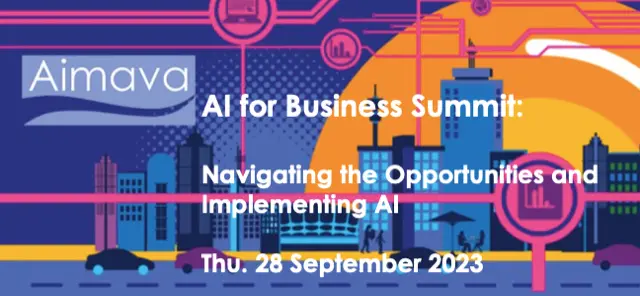
An unmissable opportunity to explore both the innovative potential of AI and the challenges businesses
face during its implementation. Join Henley faculty and industry experts in September.
You can see programmes we have done in many sectors on our Aimava YouTube Channel and Podcasts at Gaule's Question Time on Apple, Spotify, Google etc.
If you would like to discuss how Innovative New Value Chains are going to impact your corporate or venture do contact us.