MapAid: Climate change affects business, but rescue takes grit
Notes from a hybrid business person & aid worker: Chapter 3
Climate change affects business, but rescue takes grit
In last month's blog, I mentioned that in the years since the adoption of the Paris Agreement in 2015, the world’s 60 largest private sector banks financed fossil fuel investment with over US $4.6 trillion, and the world as a whole seems likely to miss the 1.5°C limit on global warming, set by Paris, which risks serious and fateful climate change consequences.
Therefore, it may come as no surprise to learn that 80% of the board members at America’s top six banks are climate conflicted, according to DeSmog which is an Anglo-American group of journalists. DeSmog is committed to blowing away the PR pollution that is denying the endless scientific data pointing to climate change, and the PR pollution that is tarnishing vitally needed climate change mitigation initiatives, many of which involve renewable energy start-ups.
However, before we point too many fingers over the water, let’s consider one or two things about Europe where we live within a world of energy price fixing mechanisms, that would be the envy of the Soviet era command and control economics.
The cost of renewable and green electricity is way below that of oil and gas and yet tied to the very high cost of carbon fuels and in particular gas. We are paying the same price as the costliest fuel no matter what the source!
It is policy gone bonkers, leaving many millions of European businesses and people in fuel poverty, as well as hiking up inflation, particularly in the UK. This is another stultifying example of climate change affecting business and business affecting climate change, where the two urgently need decoupling so that businesses end up as part of the solution and not part of the problem.
What is leadership if not defined as having a bit of imagination? What is the point of being in charge if there is no conscience involved? At ground level how can we decouple oil and gas from our lives?
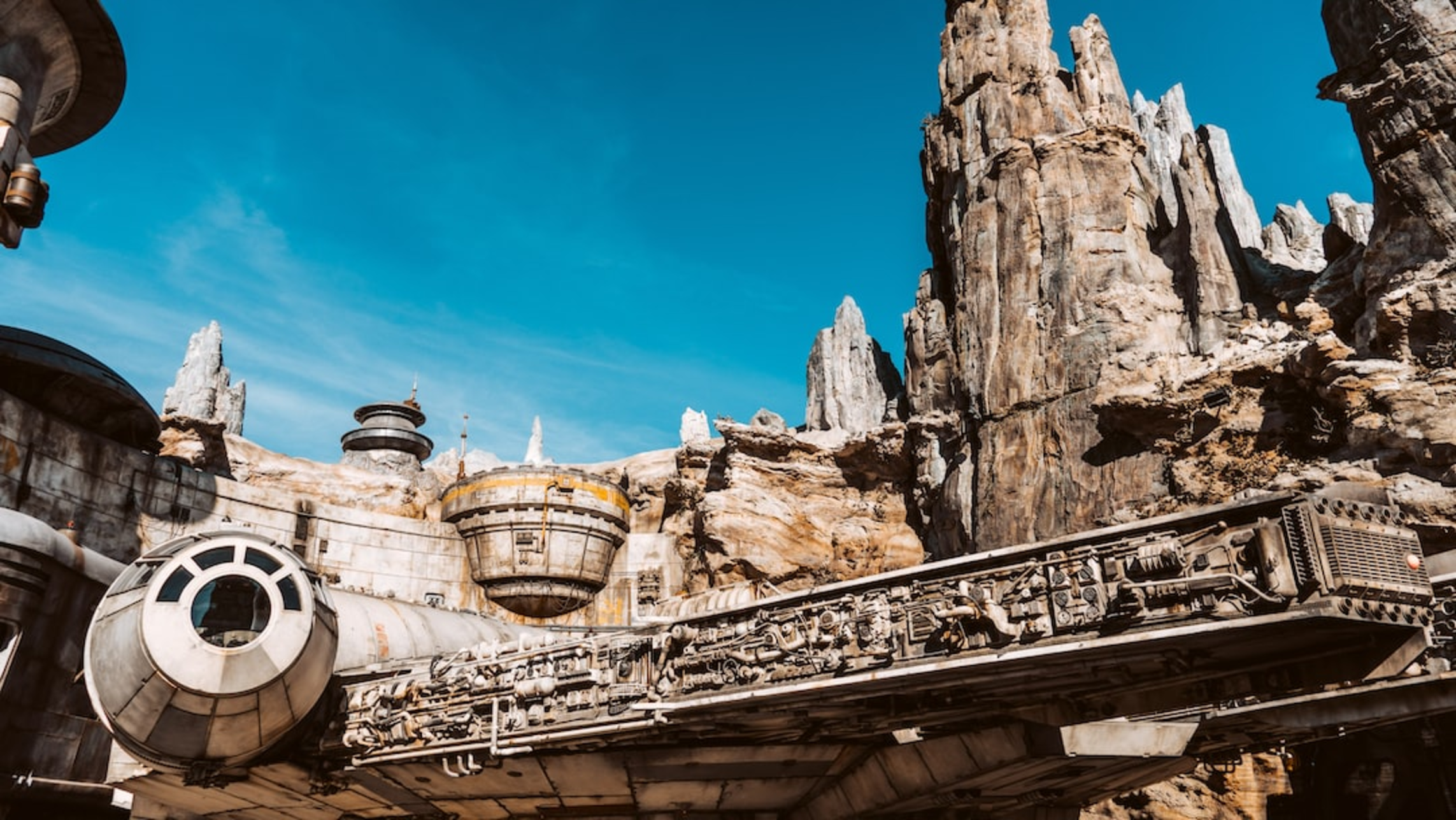
Where do we go from here? There are often scenes in movies where one of the main characters has a chance to escape to a comfortable life… before reconsidering and returning to save the day. Think Han Solo in Star Wars, or Butch in Pulp Fiction. They both had a moment where their conscience “clicked” (you actually saw it in Butch).
Well, imagine that it's your pension in need of rescue, and some of it's being held captive by oil and gas, whilst at least some enlightened banks and pension schemes may offer you a tempting escape...
What do you do? You get out of oil and gas. You go back into action and inform your financial advisor that you have had enough and you rescue your pension. Likely with fewer lasers and samurai swords.
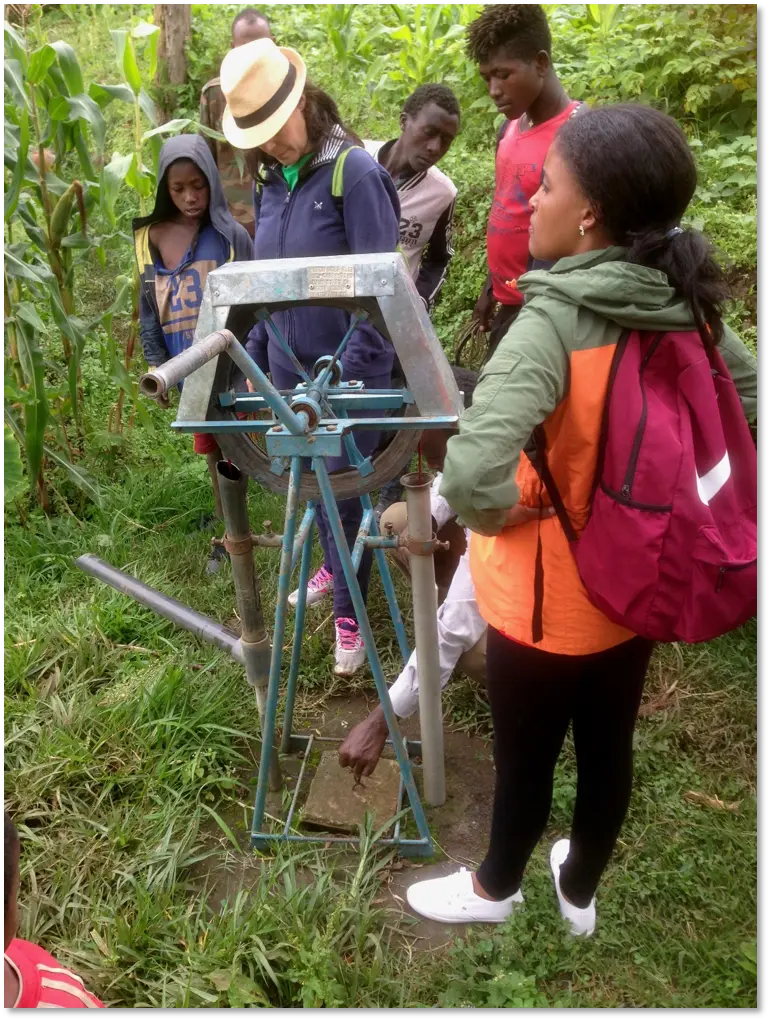
Imagination now leads us to the Horn of Africa, where life can be decidedly more dodgy in terms of water and therefore food supply. Take Ethiopia as an example. Here the basic premise is that over 70 million people rely directly on small farm capitalism, just to survive. But take away water and they don’t. Or put another way, climate change is now messing up the rainfall patterns and creating a drought that has been going on for over ten years, year-after-year, leading to 23 million people in the Horn of Africa to the edge of misery.
As a pension risk mitigation strategy, is it any wonder they sometimes invest in loads of children ? (You bet I’d do the same.)
To calm things down, to put food on the kitchen table, to see a way to fewer children that all get fed, can we imagine a better version of capitalism ? One answer is shallow boreholes. This is what my NGO, Global MapAid is promoting with our excellent Ethiopian partners. We are a team of business people rubbing our modest brain cells together, and creating an AI system to map shallow groundwater, that can influence impact investors and country donors with imaginations, to see where to invest in shallow borehole programmes that can lead to doubling of crop yields.
Can real life do better than Hollywood?
Well, we reckon so…
Follow Rupert's story of how he founded MapAid, how he grew the idea, and what their solutions are for today's issues in this content series.
To learn more about MapAid, visit their website at the button below: