
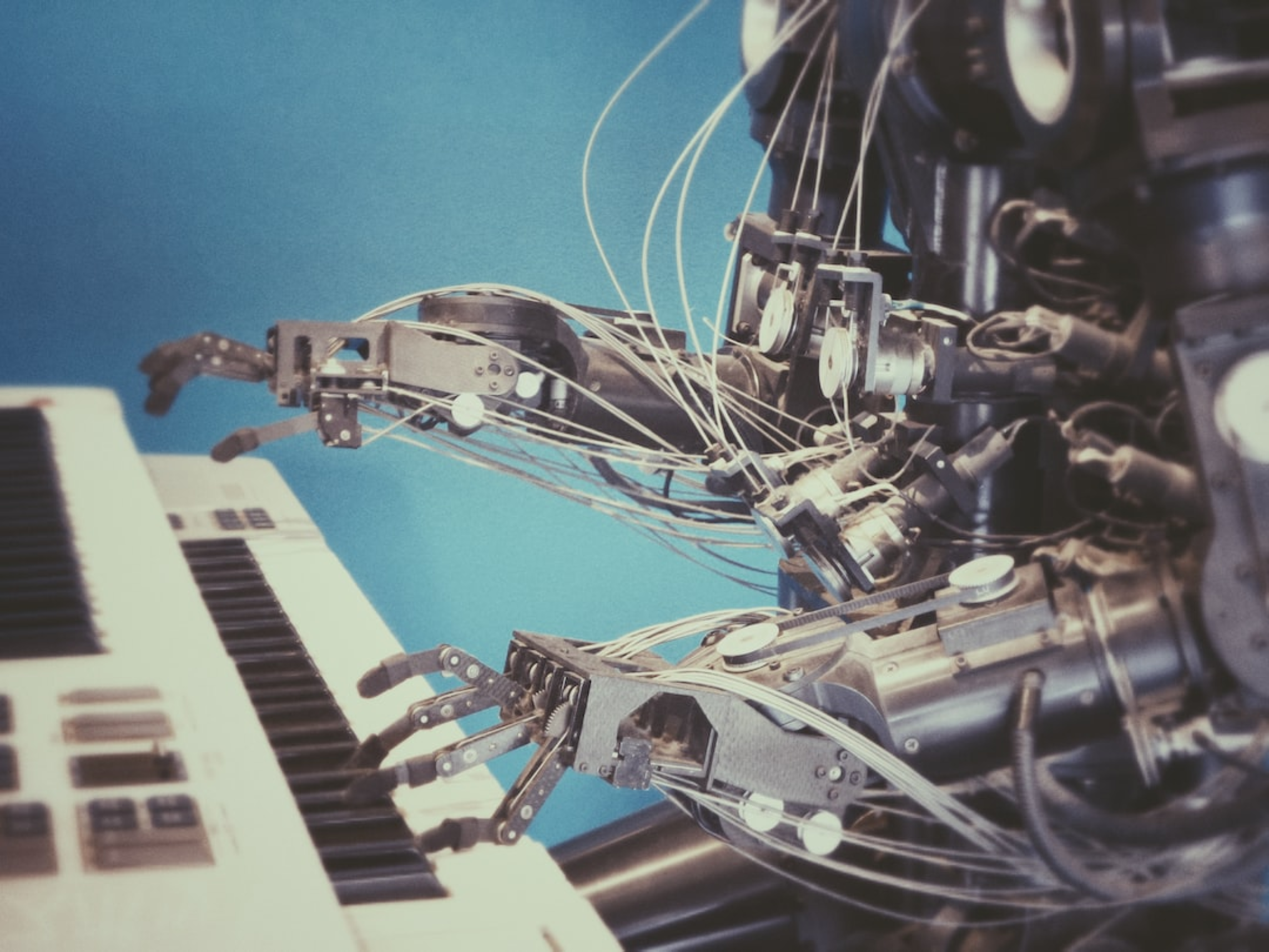
We must not be scared of AI, or try to break it like the Luddites broke the loom
We should not be worried about artificial intelligence stealing our jobs, but instead, we should be concerned about the jobs of those who don’t know how to use AI being replaced by people who do know how to use AI.
By Jon Foster Pedley (Dean, Henley South Africa)
The onset of innovation is often painful, in fact, the more profound the scope and scale, the greater the consternation. In the early 19th century, a group of weavers (and factory owners) burnt the new-fangled looms that they felt were disrupting the textile sector to the detriment of their livelihoods — and their craft that had taken years to perfect — as well as to the detriment of consumers.
Those people are remembered today as Luddites. We know today that the introduction of machinery, far from killing the textile industry, revolutionised it and unlocked a potential none of the fearful could have foreseen. Whatever jobs were lost through the change were compensated more than tenfold by the new, hitherto unimaginable jobs that were created.
Life’s like that. Change is happening in front of our eyes. GPS started as a military application — and still is when it comes to dropping missiles anywhere in the world to the nearest 30 centimetres — but the rest of us can use it to come within five metres of our destination. Many of us use it, even when we know the route because GPS can also act as a very good indicator of road conditions ahead, police stops and, critically, the amount of time it will take us to get to our destination.
GPS wasn’t as much a disruptor in our lives as the cell phone, which in turn bred the tablet and together probably singlehandedly provided the catalyst for the death of fixed-line telephony and print and sections of the broadcast media.
We don’t think of the cell phone as quite so malign, instead, we see it as an indispensable part of our daily lives. We don’t think of the telegraphers and switchboard operators who went the way of the dinosaur.
We certainly don’t think of the tens of thousands of people involved upstream and downstream of the telecoms sector from the technicians erecting towers to the small entrepreneurs in pop-up stores in malls selling cell phone covers and illuminated tripods for zoom calls.
And that is just the beginning of the job revolution as the cell phone morphs into a pocket factotum and facilitator of everything.
We are now living in the epoch of artificial intelligence, a phenomenon which Bill Gates believes is the third most revolutionary event he has witnessed in his life after the introduction of the graphical user interface, which led to Microsoft developing Windows, and the development of the internet.